


Resort real estate shows clear recovery, absorption reaches 51%
After a prolonged downturn, the resort real estate market is sending out clear signs of recovery. In the first quarter, the segment recorded more than 400 successful transactions, pushing the absorption rate to around 51% - a figure that suggests investor confidence is gradually returning, particularly toward projects with solid quality and transparent legal status. This development reflects a cautious yet sustainable recovery cycle. Rather than the rapid, overheated growth seen in the pre-pandemic period, the resort real estate market is now undergoing a process of restructuring, with greater emphasis on real underlying value, long-term operational potential, and higher-quality tourism experiences.

Resort real estate recovers slowly but steadily
According to data from the Vietnam Association of Realtors, the supply of new resort real estate improved notably in the first quarter. Approximately 950 new units were launched, up 2.4 times from the previous quarter and nearly three times higher than the same period in 2024. While this volume represents only around 18% of the market’s peak in 2022, it is widely seen as a signal that developers are beginning to re-enter the market in a more proactive manner.
Notably, newly launched projects are no longer scattered across the market as in previous cycles, but are increasingly focused on quality and completeness. Most products introduced recently feature clear planning, full legal documentation and locations with genuine tourism potential. As a result, the market recorded an absorption rate of 51%, equivalent to more than 400 successful transactions - an encouraging outcome amid still-cautious investor sentiment.
These figures indicate that capital is returning, albeit in a more selective way. Investors are no longer prioritizing short-term speculation, instead favoring projects with stable operating potential and alignment with sustainable tourism trends.
High-quality, legally sound projects lead the recovery
Market developments show that well-invested resort real estate projects are playing a leading role in the recovery process. Developers with strong execution capabilities, solid financial capacity and proven operational experience continue to hold a clear advantage.
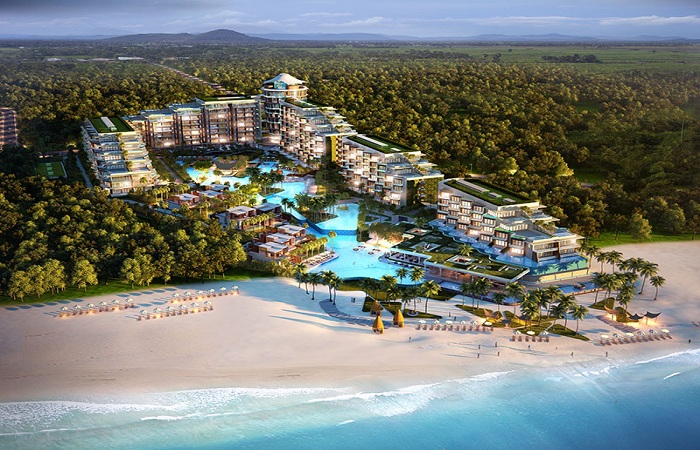
Resort real estate projects (Source: Collected)
Projects located along the coast, with convenient infrastructure connectivity and proximity to major urban centers such as Ho Chi Minh City, are attracting significant investor interest. In addition, areas benefiting from integrated planning or administrative boundary adjustments are also gaining a competitive edge.
According to David Jackson, Chief Executive Officer of Avison Young Vietnam, Vietnam holds a distinctive advantage in tourism thanks to its diverse landscapes, rich culture and cuisine. This provides a strong foundation for sustainable tourism development and creates long-term growth potential for resort real estate. Projects integrated within comprehensive tourism ecosystems are expected to be among the main beneficiaries of the current recovery cycle.
Coastal resort real estate remains a bright spot
Within the broader market landscape, coastal resort real estate continues to play a central role. Demand for beach tourism and leisure travel remains stable, particularly as domestic tourism and short-duration trips become increasingly popular.
Coastal projects developed under integrated models - combining accommodation, entertainment, leisure and commercial facilities - are being viewed favorably for their ability to extend visitor stays and optimize operational efficiency. These products are also being prioritized by investors as the market shifts toward quality-driven rather than volume-driven growth.
Beyond location, infrastructure connectivity remains a decisive factor. Projects situated near expressways, airports or major economic hubs enjoy clear advantages in attracting visitors and ensuring stable year-round demand.
Structural challenges remain
Despite positive recovery signals, the resort real estate market continues to face several structural challenges. Experts note that issues related to land-use certificates, land lease terms, investment licensing procedures and environmental regulations remain key factors weighing on investor sentiment.
In addition, while regional and inter-provincial transport infrastructure - particularly aviation - has seen notable improvements, it has yet to become fully synchronized. During peak travel periods or adverse weather conditions, access to certain resort destinations can still be constrained, affecting project operations.
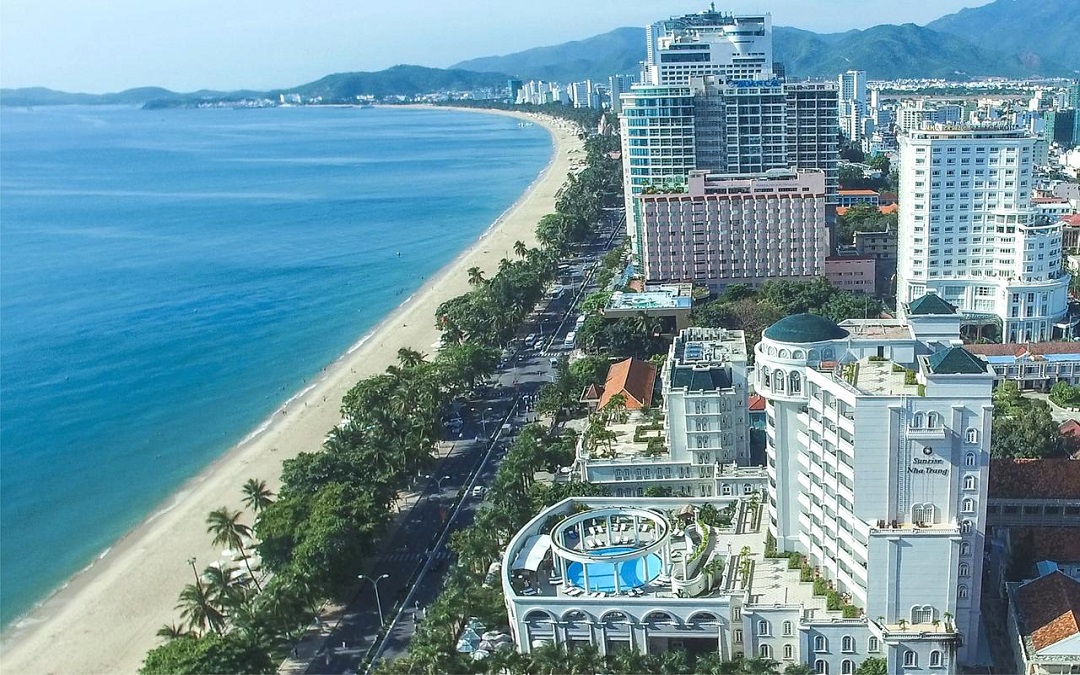
Coastal real estate (Source: Collected)
Nevertheless, analysts believe these challenges are largely short- to medium-term in nature. Ongoing reviews and adjustments to legal frameworks toward greater transparency, combined with the increasingly active participation of major developers, are expected to provide important momentum for further market improvement.
Positive medium and long-term outlook
With the current recovery trajectory, resort real estate is expected to continue improving in the coming quarters. As Vietnam’s tourism sector enters a more stable growth phase, this segment will not only serve as an investment channel but also contribute to upgrading tourism infrastructure and enhancing destination competitiveness.
The recovery of resort real estate therefore holds significance beyond the property market itself, representing an important link in the broader picture of sustainable tourism development and local economic growth.