


What is architectural design? Understanding it correctly to create the right living space.
When discussing a beautiful house, an impressive building, or a comfortable living space, people often mention architecture. However, not everyone truly understands what architectural design is and how important its role is in modern life. Architectural design is not simply drawing a house plan; it's a whole process of thinking, creating, and solving problems related to space, functionality, aesthetics, and people. In the context of rapid urbanization and increasingly diverse and personalized living needs, a proper understanding of architectural design will help you make wiser choices when building a house, renovating a space, or working with architects. More importantly, it helps you realize that architecture is not something distant, but is closely linked to the quality of life every day.

What is architectural design?
Architectural design is the process of conceptualizing, organizing space, and shaping a building to simultaneously meet functional, aesthetic, technical, and socio-environmental requirements. It is a fundamental step that determines the form, operation, and long-term value of a building, from houses and offices to hotels and public buildings.
Simply put, architectural design is about answering core questions: what is the purpose of this building, who will use it, how will it be used, where will it be used, and under what conditions? From there, the architect devises the most suitable spatial solution that meets current needs while also adapting to future requirements.
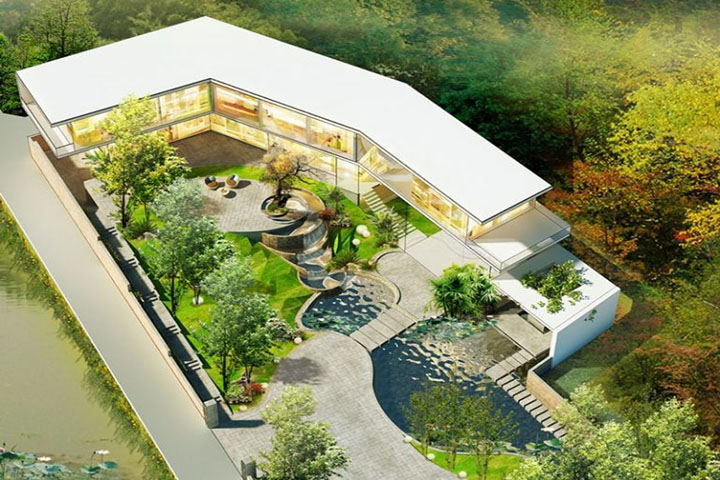
What is architectural design? (Source: Compiled from various sources.)
Contrary to the popular belief that architecture is solely about form, architectural design places people and their living experiences at its center. A building is considered successful not because it "looks good in pictures," but because it is comfortable, user-friendly, sustainable, and evokes positive emotions in its inhabitants.
The nature of architectural design in modern life
In essence, architectural design is an intersection of art and science. Art is expressed through aesthetics, proportion, light, and spatial emotion. Science is expressed through structure, materials, construction techniques, climate, and functionality. A good design is one that harmonizes both elements, rather than leaning heavily towards one side.
In modern life, architectural design also plays a social and environmental role. Architecture not only serves individuals but also affects the surrounding community: urban landscape, transportation, and living environment. Therefore, architectural design today cannot be separated from issues such as energy saving, sustainable development, and environmental responsibility.
For you – the end user – architectural design is what determines how you feel every time you enter a living space: whether it's comfortable, convenient, and whether you want to stay there long-term. A poor design can cause inconvenience for years, while a good design can elevate your quality of life in ways you might not immediately realize.
What elements does architectural design include?
Architectural design is not a single drawing, but a synthesis of many closely interconnected elements.
First and foremost is functionality. This is the fundamental element of any design. The space must serve its intended purpose, meeting the living habits and practical needs of the users. A beautiful house that is inconvenient for daily life will quickly reveal its limitations after a period of use.
Next is spatial organization. Architects need to arrange functional areas logically, ensuring connectivity, privacy, and flexibility. Space is not only seen visually, but also perceived through movement, lighting, and the relationships between areas.
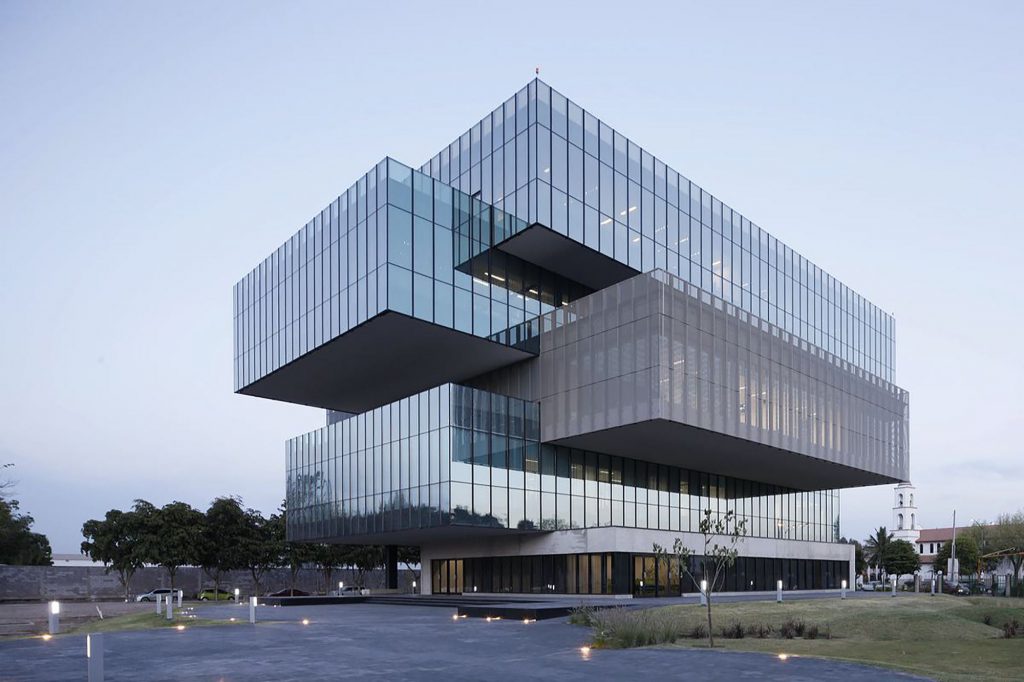
Elements of architectural design (Source: Compiled from various sources.)
Architectural aesthetics are what give a building its identity and emotion. Aesthetics doesn't equate to extravagance or exorbitant prices, but rather lies in harmonious proportions, clear forms, and unity in design language. A beautiful building is one that has personality, but doesn't feel jarring or out of place in its surroundings.
In addition, there are technical and structural factors. Architectural design needs to ensure the building is safe, durable, and suitable for the geological and climatic conditions. This is a part that is often overlooked by users, but it determines the long-term quality of the building.
Finally, context and environment are crucial. Good design always respects the building site, landscape, climate, and local culture. Architecture does not exist in isolation, but is part of a larger overall living space.
What is the architectural design process like?
Architectural design is a multi-step process, not simply a matter of "thinking of it and drawing it on the spot." Each stage plays a specific role and directly impacts the final quality of the project.
The process typically begins with understanding the needs. Architects communicate with the client to clearly understand the intended use, budget, desired style, and specific requirements. This is a crucial step, because a misunderstanding of the needs can lead to the entire subsequent design going off track.
Next, we need to analyze the site and its context. Sunlight direction, wind direction, topography, and the surrounding environment all influence how the space is organized. A design that suits the site will make the building more airy, energy-efficient, and user-friendly.
Next comes the design conceptualization phase. This is the creative stage, where the architect proposes an overall solution regarding form, space, and architectural style. This idea will be gradually developed through preliminary drawings.
Once the concept is agreed upon, the architect proceeds to develop detailed design documents, including floor plans, elevations, sections, and related technical drawings. This forms the basis for construction and ensures that the building is constructed exactly as designed.
The role of the architect in architectural design
Architects are not just designers; they solve your spatial problems. They act as consultants, providing guidance and solutions that balance your desires, budget, and practical conditions.
A good architect will help you see problems you haven't thought of: inconvenient traffic flow, insufficient lighting, spaces that easily overheat, or long-term risks. They also help you avoid common construction mistakes, saving you on future repair costs.
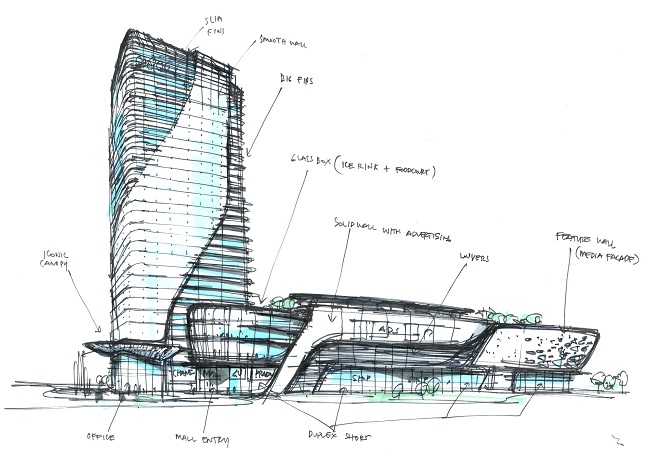
The role of the architect in design (Source: Compiled.)
More importantly, architects help transform vague needs into a concrete, organized, and distinctive living space. This is the greatest value of professional architectural design.
Architectural design and its differences from interior design.
Many people often confuse architectural design and interior design. In fact, these are two related fields, but they are not the same.
Architectural design focuses on the overall structure of the building: its form, structure, spatial layout, and relationship with the environment. Interior design, on the other hand, delves into the arrangement of furniture, materials, colors, and details within an existing space.
A successful project requires close collaboration between architectural design and interior design. If architecture is the "skeleton," then interior design is the "flesh and blood" that creates a vibrant atmosphere in the space.
The lasting value of good architectural design.
A good architectural design provides long-term value, both functionally and aesthetically. The building should be user-friendly, require minimal renovation, be energy-efficient, and adaptable to future changes.
From a psychological perspective, a well-designed space helps you feel comfortable, secure, and more connected to your home. This is a value that is difficult to measure in monetary terms, but it directly impacts your quality of life.
What is architectural design? It's not just about creating a beautiful building, but about constructing suitable, sustainable, and valuable living spaces for people. When you understand architectural design correctly, you'll see that architecture isn't something distant or complicated, but rather the foundation that silently shapes our daily lives.
If you're planning to build or renovate a living space, investing seriously in architectural design right from the start is the smartest and most sustainable step.