


Trending Design Styles – When Living Spaces Reflect Your Lifestyle
Design is no longer just about form or aesthetics. In recent years, prevailing trends have shown a clear shift: living spaces are increasingly intertwined with personal lifestyle, emotions, and core values. People aren't just seeking beautiful homes—they want spaces that feel authentically "them," aligned with their rhythm of life, habits, and long-term aspirations. Following societal, environmental, and technological changes, design has entered a new era where every trend revolves around people, sustainability, and adaptability. Whether you're interested in architecture, interiors, building, or renovating, understanding the hottest design trends of 2026 will help you make smarter, more forward-thinking choices.

What are the current design trends and why should we care?
Popular design trends can be understood as design directions that are favored and widely disseminated during a certain period, reflecting the needs, mindset, and lifestyle of society at that time. Trends not only come from professionals but are also formed by users themselves – who increasingly have higher demands for their living spaces.
Paying attention to design trends doesn't mean blindly following them. On the contrary, understanding trends helps you recognize what's changing, what has lasting value, and thus select and apply them appropriately to your circumstances, budget, and personal style.
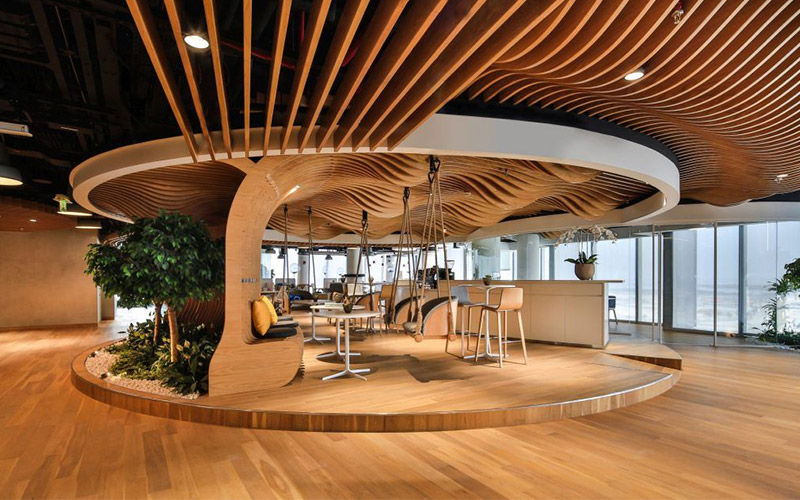
New architectural design trends (Source: Compiled.)
A truly trend-setting design is one that is long-lasting, adaptable, and doesn't quickly become outdated. This is the difference between "following a trend" and "understanding a trend."
Human-centered design
The most prominent trend in contemporary design is human-centered. Spaces are no longer created to showcase form, but to serve emotions, habits, and life experiences.
Modern designs focus more on comfort, convenience, and personalization. You can see this through flexible spatial layouts, expanded common living areas, while private spaces are given more attention to lighting, sound, and tranquility.
Human-centered design also means respecting diversity in lifestyles. Instead of a single template for everyone, each home can be adapted to the age, habits, work schedules, and leisure routines of each family.
Open and flexible in use.
In the context of increasingly limited urban space, open and flexible spaces have become a popular and enduring design trend. Rigid partitions are minimized, replaced by seamless connections between the living room, kitchen, and common living areas.
Open spaces not only make a home look larger but also increase connection between family members. At the same time, flexible design allows a single space to serve multiple functions, adapting to the changing pace of life over time.
With the increasing popularity of working from home, many current designs integrate workspaces within the home while still ensuring privacy and focus. This is a prime example of how design must adapt quickly to societal changes.
Sustainable and environmentally friendly design
One of the prevailing global design trends is sustainable design. Living spaces should not only be aesthetically pleasing for the present, but also responsible towards the environment and future generations.
Sustainable design is demonstrated through the utilization of natural light, efficient ventilation, the use of environmentally friendly materials, and energy saving. Greenery is incorporated more into living spaces, not only for decoration but also to improve the microclimate and mental health.
For you, sustainable design doesn't necessarily have to be complicated or expensive. Sometimes, just making the right decisions from the start – like the orientation of the house, window placement, material selection – can make a big difference in the long run.
Minimalist, but not cold.
Minimalism remains a popular design trend, but there has been a noticeable shift compared to the past. Instead of the "white, plain, and cold" minimalism, current design leans towards warm minimalism, balancing neatness with emotion.
Modern minimalist spaces still have few details, but place greater emphasis on materials, lighting, and warm, neutral colors. Wood, fabric, and natural stone are used to create a sense of intimacy, giving the space depth despite its simplicity.
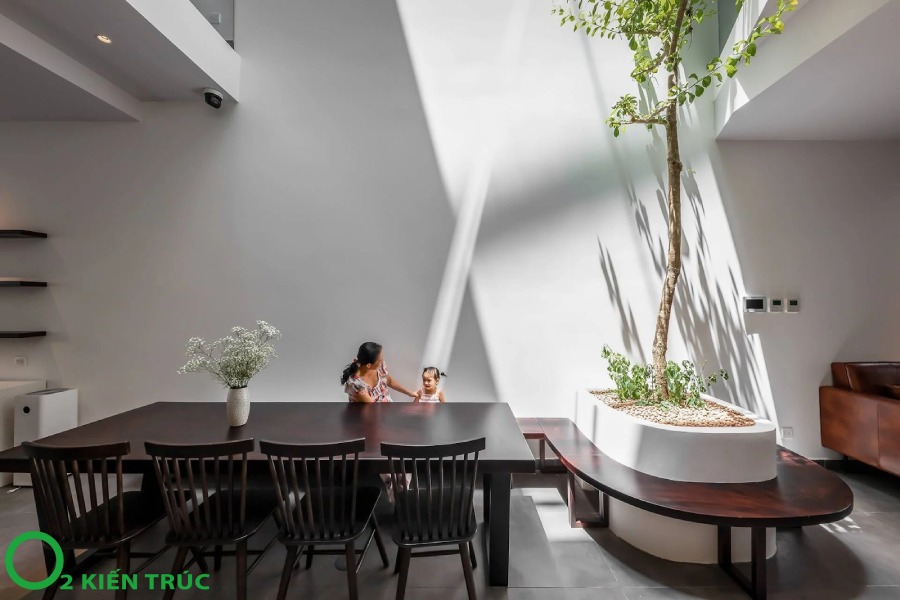
New design trends (Source: Compiled from various sources.)
This trend is suitable for those who love order but don't want their living space to feel sterile or lifeless.
Personalize your living space.
While many homes used to have similar designs, personalization has now become a popular and highly valued design trend. Living spaces increasingly reflect the personality, aesthetic taste, and story of their inhabitants.
Personalization doesn't mean drastically changing everything. It could be about how you choose colors, materials, spatial arrangement, or preserving small corners that hold sentimental value. Good design is design that allows you to be yourself in that space.
Smart technology and design
Technological advancements have also significantly impacted prevailing design trends. Smart homes, automated control devices, smart lighting systems, and smart security systems are increasingly integrated into living spaces.
However, the current trend isn't about showing off technology, but about hiding it behind a seamless experience. Good technology is technology you barely notice its existence, yet you clearly feel its convenience and security.
Smart design optimizes home operation, saves energy, and improves quality of life, especially suitable for the busy modern lifestyle.
Connecting indoors and outdoors, and returning to nature.
After a long period of living in enclosed spaces, the current prevailing design trend clearly reflects a desire to connect with nature. Balconies, gardens, skylights, large glass windows, etc., are emphasized to bring light, wind, and greenery into living spaces.
The design of the transitional space – the area where indoor and outdoor spaces meet – becomes a key highlight. This is where people relax, unwind, and recharge after the hustle and bustle of urban life.
This trend is not only seen in villas or garden houses, but is also flexibly applied in townhouses and apartments through loggias, green balconies, or hanging plant displays.
Sustainable aesthetics, not chasing trends.
A key shift in prevailing design trends is a long-term mindset. Consumers are increasingly interested in designs that offer lasting value and are less likely to become outdated, rather than chasing short-term trends.
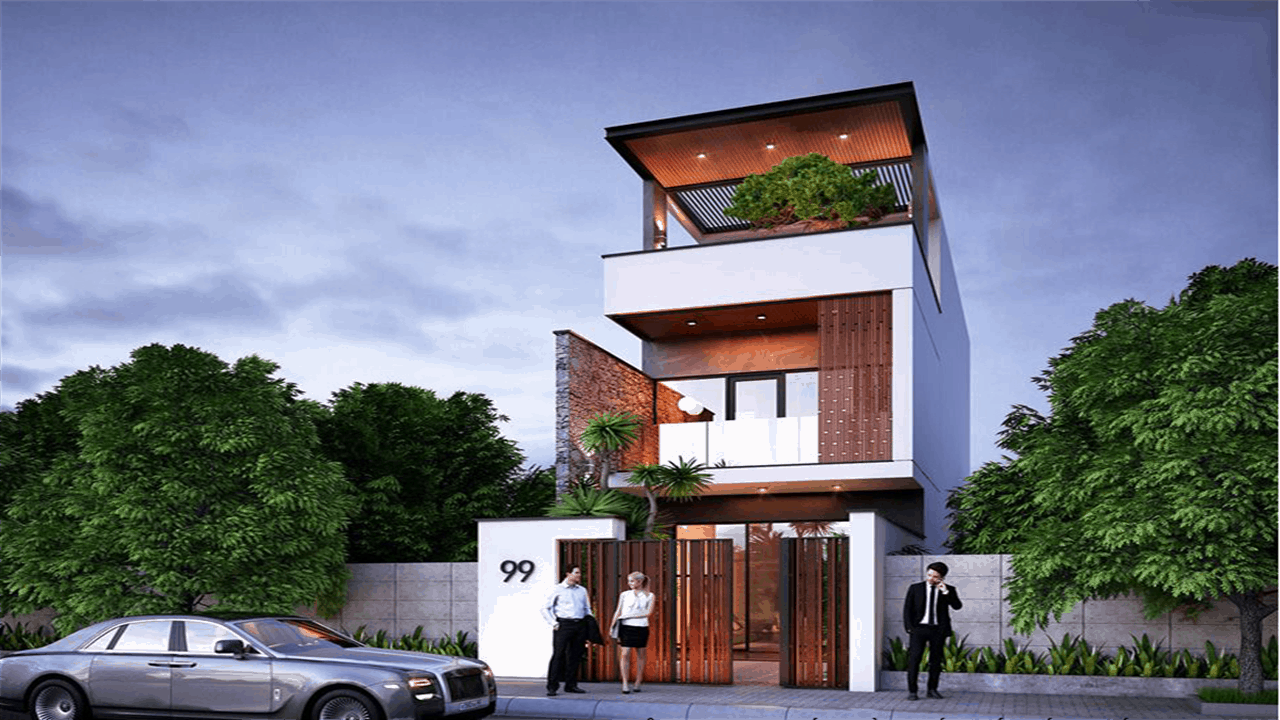
Aesthetics that stand the test of time (Source: Compiled.)
This is reflected in the preference for design styles with a solid foundation, such as modern, Scandinavian, Japanese, or neutral designs that are easily adaptable over time. The space is designed to allow for flexible changes without major renovations.
Design trends and the role of the user.
Today's prevailing design trends are no longer imposed by professionals on users. Instead, users are at the center of creating these trends. Changes in how people work, rest, and connect socially are directly reflected in spatial design.
The important thing is that you don't need to adopt all trends. Good design is selective, combining trends with practical needs and personal identity.
Popular design trends not only reflect the aesthetic tastes of a particular era, but also show how people perceive life, the environment, and themselves. In the modern context, design trends are shifting strongly towards people, sustainability, and long-term living experiences.
If you're considering designing or renovating your living space, view trends as a smart reference, not a mandatory template. When understood and applied correctly, design trends can become a tool to help you create a suitable, meaningful, and livable living space for years to come.