


Nordic Architecture – When Minimalism Brings Warmth
In recent years, Nordic architecture has become increasingly popular in modern living spaces—from townhouses and apartments to luxury villas. Unpretentious and uncomplicated, this style captivates with its clean simplicity, functionality, and signature cozy warmth. It’s the kind of design that makes you truly want to come home—to a quiet retreat for rest, a warm space for connection, and an elegant home for lasting living.

1. What is Nordic Architecture?
Nordic architecture (also known as Scandinavian architecture) originates from the Nordic countries: Sweden, Norway, Denmark, Finland, and Iceland. This region experiences cold climates, long winters, and limited sunlight—factors that profoundly influence how people design their living spaces.
From these natural conditions, Nordic architecture has developed with a clear goal: to maximize natural light, create a sense of warmth, and enhance quality of life in enclosed environments. Architecture here is not just about shelter; it's about nurturing the spirit, helping people feel comfortable and balanced in their daily lives.
At its core, Nordic architecture harmoniously blends minimalism, functionality, and human-centered aesthetics. Every detail serves the living experience—nothing superfluous, yet never cold or rigid.
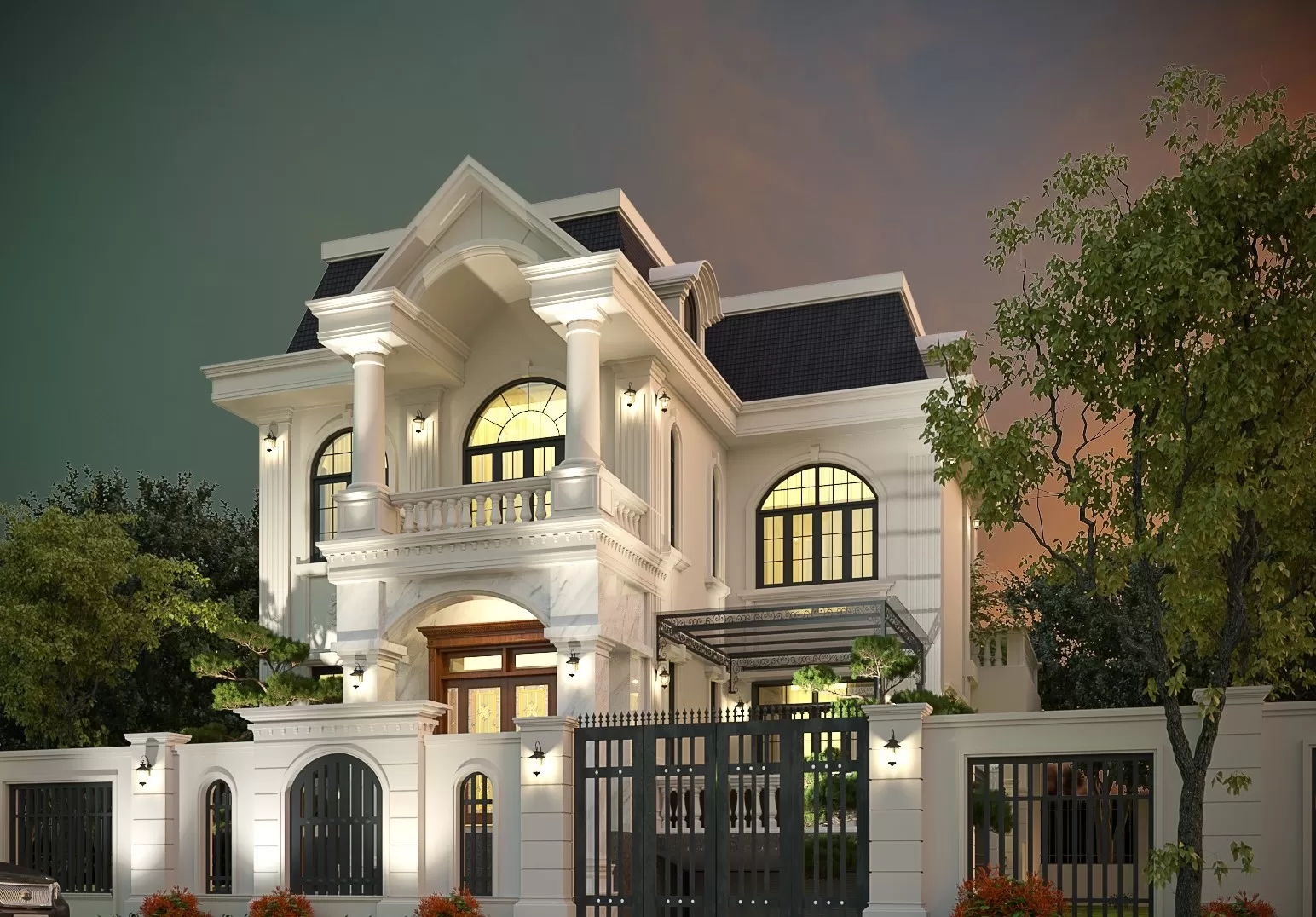
What is Nordic/Scandinavian Design Style? (Source: Collected/Compiled.)
2. Core Design Philosophy of Nordic Architecture
To truly understand Nordic architecture, you can't overlook the lifestyle philosophy behind it. Nordic people believe a good living space must provide comfort for both body and mind.
Minimalism for Better Living
Unlike mere reduction, minimalism in Nordic architecture is a process of careful selection. Only essential elements with real practical and emotional value are kept. This results in clutter-free, breathable spaces that reduce visual stress.
Functionality at the Center
Every area in the home is thoughtfully planned for efficient daily use. Flexible, user-friendly spaces suit everyone—from young families to the elderly. This practicality is why the style is so highly regarded.
Happiness from Simple Things
The Danish concept of Hygge—emphasizing coziness, comfort, and joy in everyday moments—strongly influences Nordic architecture. A sunny reading nook, a warm living room, or a family dinner gathering embodies the soul of this style.
3. Key Characteristics of Nordic Architecture
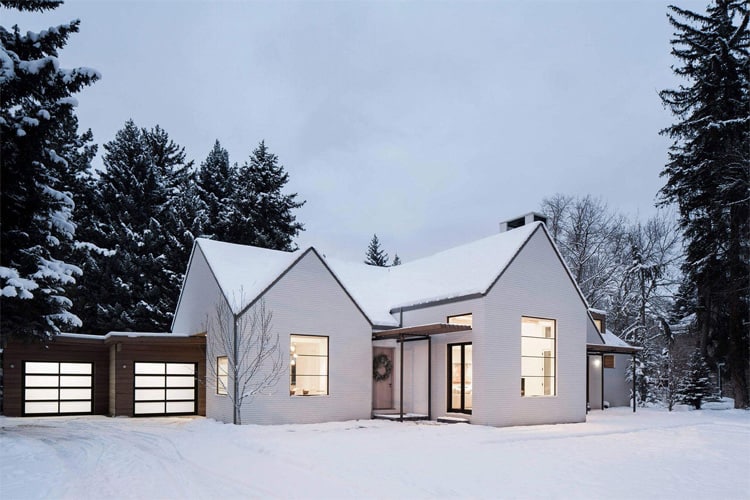
Variations of Nordic Architecture Style (Source: Collected/Compiled.)
Bright and Airy Spaces
Natural light is paramount. Large windows, sheer curtains, and open layouts allow light to flow freely. Light-colored walls (especially white) reflect light beautifully, creating a sense of spaciousness and serenity.
Neutral, Soothing Color Palette
The signature colors are soft neutrals like white, gray, beige, and cream, accented with subtle shades of pale blue, wood tones, or black. This palette feels refined, calming, and timeless.
Natural, Friendly Materials
Wood is the star—from floors and ceilings to furniture and decor. Stone, wool, linen, and leather add warmth and closeness. Surfaces prioritize natural textures over high polish, emphasizing sustainability.
Clean Lines and Clear Forms
Nordic style avoids ornate details. Straight, simple lines and defined shapes make spaces feel organized and intuitive. This simplicity creates elegant, enduring beauty.
Balance Between Aesthetics and Comfort
Nordic spaces are highly practical. Minimalist furniture is functional, movable, and versatile—perfect for modern lifestyles.
4. Popular Variations of Nordic Architecture
Nordic architecture isn't uniform—it has fascinating variations.
- Traditional Scandinavian emphasizes light-colored wood, cozy atmospheres, and abundant natural light. This is closest to the original Nordic spirit. Check out these cozy traditional examples:
Scandinavian Interior Design - Cozy Nordic Room Ideas & AI Try-On Free
- Modern Scandinavian incorporates contemporary minimalism with sharper lines and bolder neutrals. It's hugely popular in apartments and townhouses.
- Ultra-Minimalist Scandinavian strips away as much detail as possible, focusing on pure forms and light. Ideal for those who love clean, serene, "less but enough" spaces.
5. Applying Nordic Architecture in Modern Living Spaces Today
In Vietnam, Nordic architecture is increasingly popular due to its adaptability to various home types.
For apartments, it makes spaces feel brighter, larger, and more organized. Neutral colors and simple furniture optimize limited area while enhancing daily comfort.
In townhouses, it offers smart layouts that maximize light and ventilation. Open plans connecting living rooms, kitchens, and shared areas foster family connection.
For villas, it features clear layouts, spacious rooms, gardens, and natural light integration—delivering understated luxury.
When applying in Vietnam's hot, humid climate, adjust materials (e.g., well-treated wood) and techniques (better ventilation, more greenery) for optimal results.
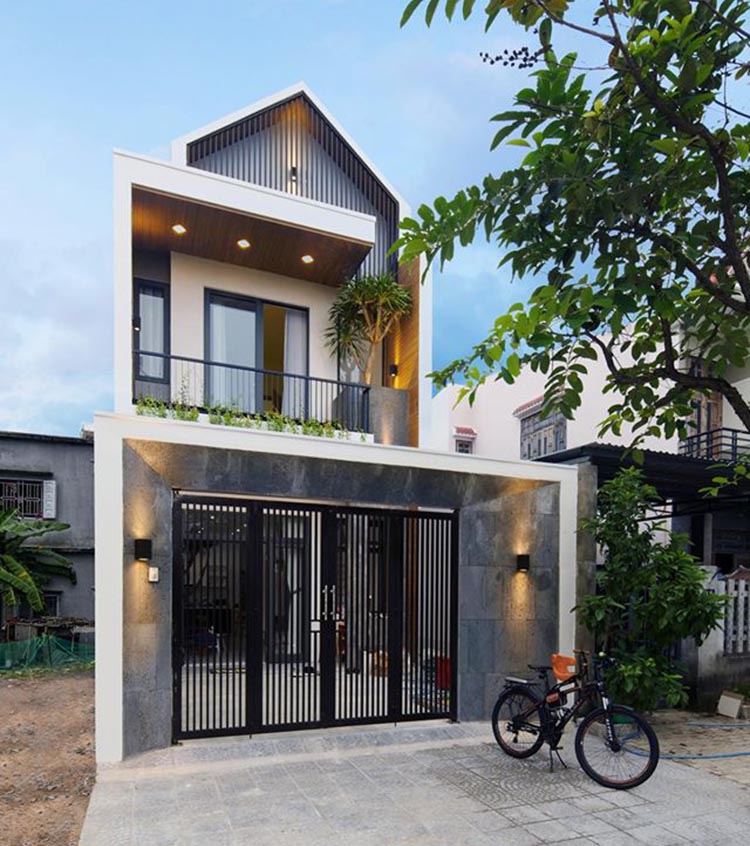
Applications of Nordic Design Style (Source: Collected/Compiled.)
6. Advantages and Considerations When Designing in Nordic Style
The greatest strength of Nordic architecture is its timeless sustainability and long-term adaptability. It's trend-resistant, easy to live in, and suits diverse people.
These spaces promote relaxation, reduce visual and mental stress, and simplify cleaning and maintenance—ideal for busy modern life.
However, avoid over-minimalism that makes rooms feel cold or monotonous. The key to preserving the signature "warmth" lies in balancing colors, materials, and light.
Nordic architecture is more than a trend—it's a lifestyle celebrating simplicity, comfort, and enduring happiness. In an increasingly complex world, it offers a home that's quiet enough for rest, warm enough for connection, and refined enough for a lifetime.
If you're seeking an easy-to-apply, timeless style that truly enhances quality of life, Nordic architecture is definitely worth considering.